
EQUIPMENT / STAR CLUSTER BALL
Star Cluster Ball Balls and Scoring Plates Explained
Explore player ball colours, target plates and the reported 7/5/3-position layout, plus compatibility and event-rule questions to ask.
01 / EQUIPMENT
Small objects, large consequences
A ball in Star Cluster Ball is small enough to fit between other balls and target positions, yet a tiny change in its condition or final place can reshape a turn. The target plates give those positions a visible structure. This guide helps a player or host inspect, use and care for balls and plates. It does not assert an official diameter, weight, material or point value without a verified equipment specification and current event rules.
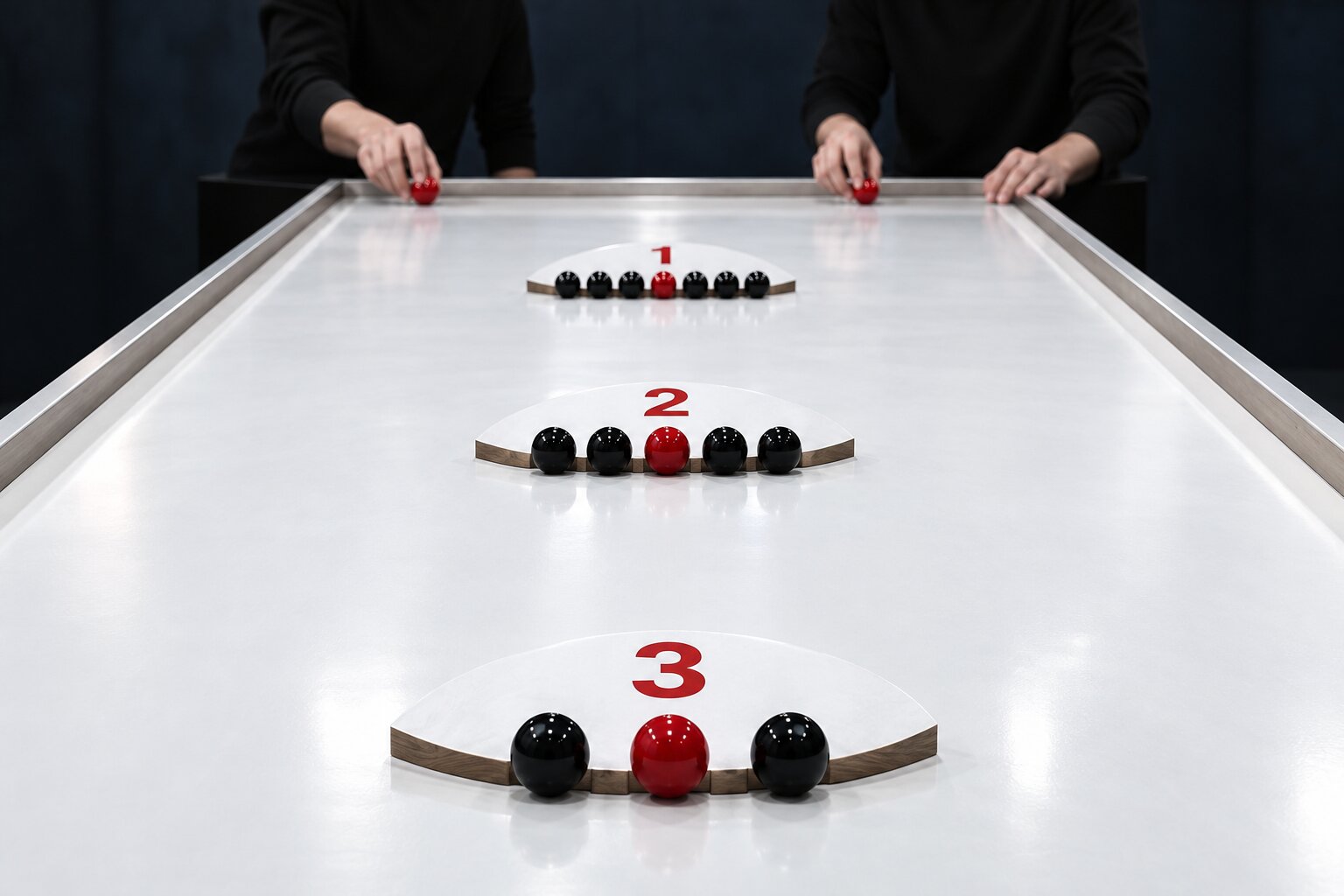
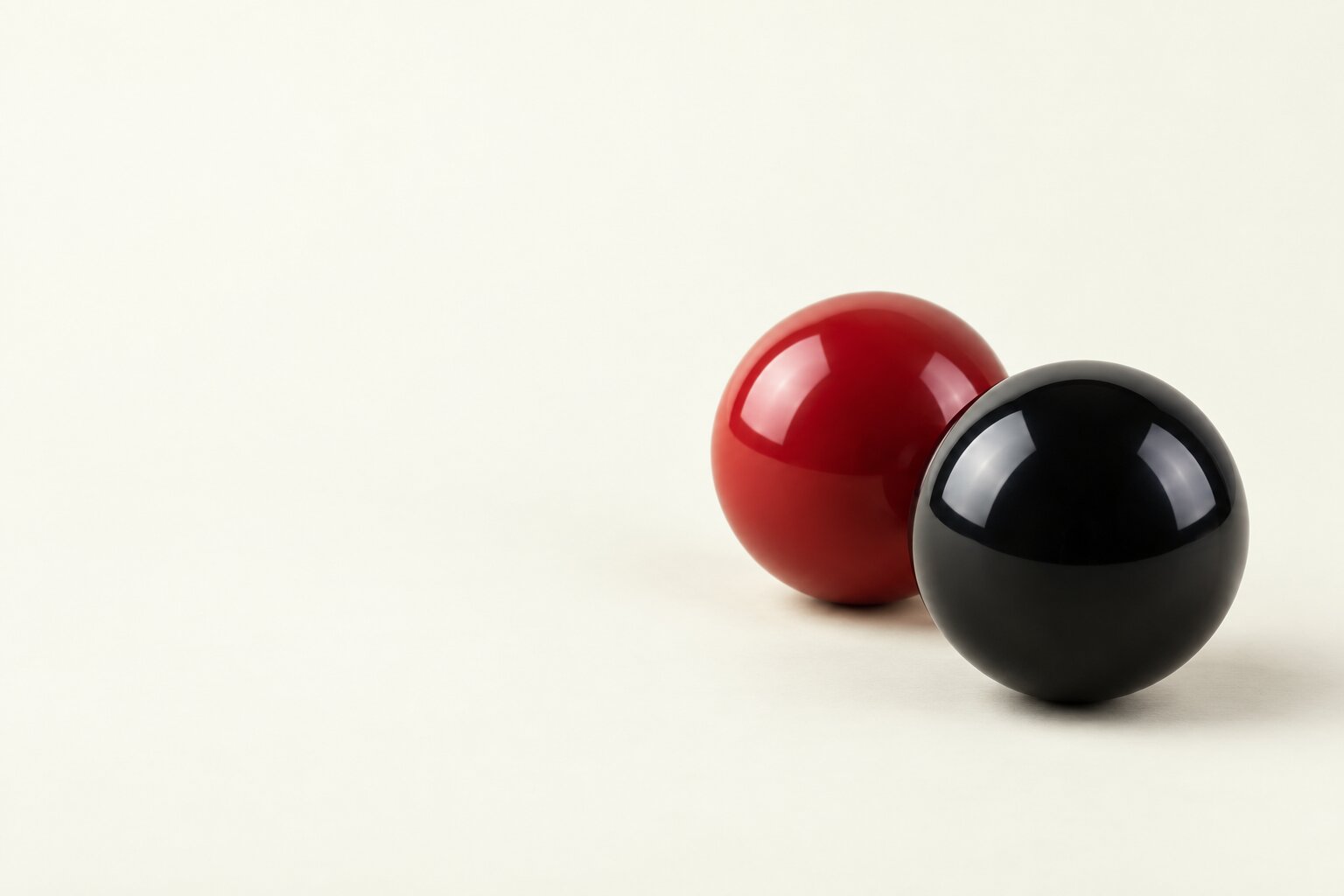
Public imagery commonly shows red and black balls. A published overview describes three semicircular target plates with seven, five and three positions. These are useful recognition cues, not permission to assume every event uses identical equipment or scoring. When joining a session, identify the actual set on the table and ask which instructions apply to it.
02 / EQUIPMENT
Start by identifying the two sides
The colours should be easy to distinguish from the release area and in a wide video shot. A host should explain which side owns each colour, how many balls each side receives and whether marks or numbers carry meaning. Do not infer ownership from a close-up after several balls have collided. If a ball is damaged or its mark is unclear, resolve the issue before play begins.
Colour alone may not be enough for every participant or every recording condition. Good lighting, contrast against the table and clear score labels make the game more accessible. When filming, avoid a glare that turns a dark ball into a bright reflection or obscures a red ball against a coloured graphic. The object is not a special effect; it is part of the information spectators need to follow the match.
03 / EQUIPMENT
Match balls to the table
Use balls intended for the specific playing surface and target plates. A different size, weight or outer finish can change rolling speed, collision behaviour and whether a ball fits a target position as designed. Two sets that look similar in a photograph may behave differently. Request the maker’s or organiser’s compatible equipment list rather than assuming any smooth ball will do.
If a club has to replace a lost ball, check the replacement against the existing set before mixing them. A mismatch can make one colour consistently faster or more likely to deflect. In a teaching session, this distorts feedback; in a competition, it raises a fairness question. Keep spare balls from the same approved specification where possible and record when a set is changed.
04 / EQUIPMENT
Inspect wear before a session
Look for chips, cracks, flat spots, residue and markings that have faded enough to confuse ownership. Roll each suspect ball on a clean, approved surface if the organiser permits. A ball that repeatedly wobbles or behaves differently from the rest needs attention. Do not repair a competition ball with tape, polish or an unapproved coating just because the flaw appears minor.
Cleaning also requires care. Follow the maker’s instructions for the material actually in use. Abrasive cloths or strong chemicals can change the outer finish and, with it, the roll. Dry and store the set as instructed. A simple pre-session check is faster than debating halfway through a match whether one ball was always damaged.
05 / EQUIPMENT
Read the target plates physically
Identify each plate by its position on the table and the number of target places visible on it. Find the entrance, the lip and any printed value or position mark. Ask whether a ball must settle completely inside a place, whether touching the edge counts and who decides a borderline case. A diagram is helpful, but a live demonstration with a stationary ball often communicates the rule more clearly.
Different plates present different geometries. A position that seems open from above may have a narrow entry from the actual release point. Balls already in place can protect, obstruct or create contact opportunities. That is why the plate is more than a scoring graphic: it is an object that changes the route and the next player’s choice. Keep the plate fixed while observing a disputed placement.
06 / EQUIPMENT
Separate physical placement from scoring
A ball may visibly settle in a target area, but the point awarded depends on the rules in force. Public summaries describe base scores and possible sequence or special bonuses; an event may define conditions differently or simplify them for beginners. Read the host’s scoring card before treating a printed number as the whole calculation. The person recording points should be able to explain each change from the agreed rules.
When watching a video, a scoreboard can confirm what the officials awarded, but a short clip may hide why. A collision, invalid release or bonus condition may change the interpretation. Describe what the camera shows first: which ball moved and where it stopped. Then, if the event regulations are available, connect the visible play to the stated scoring rule. Do not invent a point value from the appearance of the plate alone.
07 / EQUIPMENT
Handle contact and disputed balls carefully
One push may touch a ball already on a plate, move an opponent’s ball or leave two balls close to the same boundary. Before lifting anything, allow the balls to stop completely and let the designated judge or players inspect the position. If filming is allowed, a clear overhead image can help document the state; it should not replace the event’s own decision procedure.
The host should explain what happens if a ball is accidentally touched by a hand, a plate shifts or a ball leaves the playable area. These are rules questions as well as equipment questions. If the answer is missing from a casual session, agree on a simple procedure before the first occurrence. In a tournament, follow the written regulations and the appointed official.
08 / EQUIPMENT
Store the set as a set
Keep the balls and plates from a compatible setup together, labelled with the table or model they belong to. A container that protects them from impacts and dust is more useful than a display that leaves them rolling around a shelf. Count the pieces after a session and check for obvious damage. Replace or repair components according to the supplier’s instructions, not by improvising during a match.
If several clubs share equipment, write down which set travelled to which venue and whether any parts were substituted. This modest record makes maintenance easier and prevents accidental mixing of similar-looking sets. It also helps a host answer a player’s reasonable question: are these the same balls we practiced with, and do they match today’s table?
09 / EQUIPMENT
A useful introduction for new players
At the start of a beginner session, show one ball from each side and let participants distinguish them against the table. Point to each plate, name the valid places under the local rules and demonstrate one clear edge case. Then make a gentle push and ask the group what moved. This order turns abstract equipment terms into observations the players can use immediately.
For a club page or product description, publish only verified specifications: actual model, included quantity, compatible table, care instructions and source for the rules in use. If a specification is unknown, ask the maker rather than filling the gap with a plausible number. Trust in a small sport grows when the pieces in a player’s hand match the promises in the guide.
A final practical check takes less than a minute: count each colour, make sure every ball is identifiable, touch the plates only where the organiser allows, and ask who will make an edge ruling. That shared starting point makes the first push more relaxed for everyone.
SOURCES & MORE
Independent equipment overview ↗This is an introduction. For competitions and events, follow the organiser’s published rules and equipment specifications.